
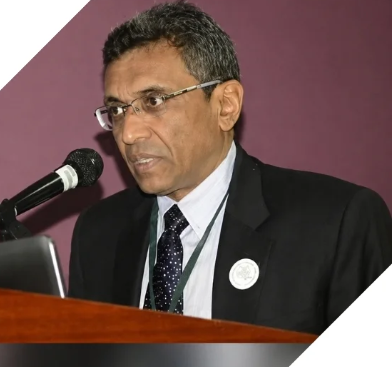
Drmalaypatel
Uploaded on Nov 24, 2026
Category
Health & Medicine
Some veins may remain visible even after varicose vein treatment. Find out why this happens, when follow-up scans are needed, and which additional treatment options may help manage remaining veins with Dr. Malay Patel.
Category
Health & Medicine
What Happens If Some Varicose Veins Remain Visible After Treatment?
--- Page 1 ---
What Happens If Some Varicose Veins
Remain Visible After Treatment?
After varicose vein treatment, you may notice that some veins are still visible on your legs. This
can be confusing, especially when you expect your legs to look completely clear after the
procedure. However, seeing a few veins after treatment does not always mean the treatment
has failed. Some veins take time to shrink, while others may need further evaluation.
Dr. Malay Patel is a vascular and endovascular surgeon and phlebologist who provides
specialised care for venous conditions, including varicose veins. Understanding why some veins
remain visible can help you know what to expect during recovery and when a follow-up
examination may be needed.
--- Page 2 ---
Why Some Varicose Veins Remain Visible After Treatment
There are several reasons why a few veins may still be noticeable after a procedure.
1. Veins May Take Time to Shrink
When a faulty vein is treated, blood flow through that vein is reduced or stopped. However, the
visible vein does not disappear immediately. The body gradually breaks down and absorbs the
treated vein tissue.
Smaller surface veins connected to the treated vein may also become less noticeable as
pressure reduces. This process can take several weeks or months, depending on the size of the
veins and the treatment performed.
2. Some Smaller Vein Branches May Remain
Varicose veins often develop through a network of connected veins. Treatment may focus on
the main vein responsible for abnormal blood flow, while smaller branches remain visible.
These branches may shrink over time, but some may continue to appear prominent. A follow-up
examination can help determine whether they need further treatment or can simply be
monitored.
3. Other Veins May Develop Valve Problems
Varicose vein disease can affect different veins over time. Even after a treated vein has been
successfully closed, another vein may develop faulty valves and allow blood to flow backwards.
This does not necessarily mean the original treatment failed. It may be a new area of venous
reflux that needs separate evaluation.
What Happens During a Follow-Up Examination
Doctors usually assess the treated area before deciding whether additional treatment is
necessary. The appearance of a vein alone cannot always explain what is happening beneath
the skin.
A duplex ultrasound examination is commonly used to check blood flow and identify any
remaining reflux. It helps the doctor understand whether a visible vein is simply a leftover
surface branch or is still connected to a vein with faulty valves.
Based on the findings, the doctor may recommend:
--- Page 3 ---
● Observation: If the remaining veins are gradually shrinking and are not causing
problems, further treatment may not be needed immediately.
● Additional treatment: If certain veins remain prominent or cause discomfort, a suitable
procedure may be considered.
● Continued monitoring: Periodic follow-ups can help identify new vein problems and
assess long-term results.
Treatment Options for Remaining Visible Veins
Not every visible vein needs another procedure. Treatment depends on its size, location,
symptoms, and ultrasound findings.
Ultrasound-Guided Foam Sclerotherapy
This procedure involves injecting a specially prepared foam solution into the affected vein under
real-time ultrasound guidance. The solution causes the targeted vein to close, allowing the body
to gradually absorb it. Dr. Malay Patel provides ultrasound-guided chemical endoablation with
foamed sclerosants for different types of superficial venous problems.
Compression Therapy
Compression stockings or bandaging apply controlled pressure to the legs and support blood
flow back towards the heart. They may help manage swelling and discomfort and can be
recommended alongside treatment or as part of ongoing vein care.
The appropriate option depends on the examination and ultrasound results. In selected cases,
surgical treatment may also be considered if other approaches are not suitable.
How to Support Your Legs After Vein Treatment
Following the recommended care plan can support recovery and help manage ongoing vein-
related symptoms.
● Walk regularly: Gentle walking supports circulation and helps the leg muscles move
blood towards the heart.
● Elevate your legs: Raising your legs when resting may help reduce swelling and
heaviness.
● Maintain a healthy weight: Managing body weight can reduce pressure on the veins.
● Wear compression when advised: Use compression stockings according to your
doctor's instructions.
● Attend follow-up appointments: These visits help assess healing and identify any
remaining or newly developed vein problems.
--- Page 4 ---
When You Should Contact a Doctor
A few visible veins after treatment may not be a cause for concern, but certain symptoms should
not be ignored. Contact your doctor promptly if you notice new or increasing leg swelling, pain,
warmth, or redness. Sudden swelling or pain, particularly in one leg, needs urgent medical
evaluation to rule out deep vein thrombosis (DVT).
Bleeding from a vein, new skin discolouration, or a sore near the ankle should also be assessed
by a vascular specialist.
Getting the Right Care for Lasting Vein Health
Seeing some varicose veins after treatment does not automatically mean that the procedure
was unsuccessful. Some veins need more time to shrink, while others may require additional
evaluation or targeted treatment. The important thing is to understand the reason rather than
judge the result only by appearance.
Dr. Malay Patel provides Varicose Veins Treatment with an approach that includes ultrasound-
based evaluation and treatment options such as foam sclerotherapy and compression therapy.
A proper follow-up assessment can help determine whether the remaining veins need treatment
or simply more time to settle.
Website - https://drmalaypatel.com/
Contact Us
Facebook
Phone no. +91 94264 99505 | Email ID [email protected]
Comments