
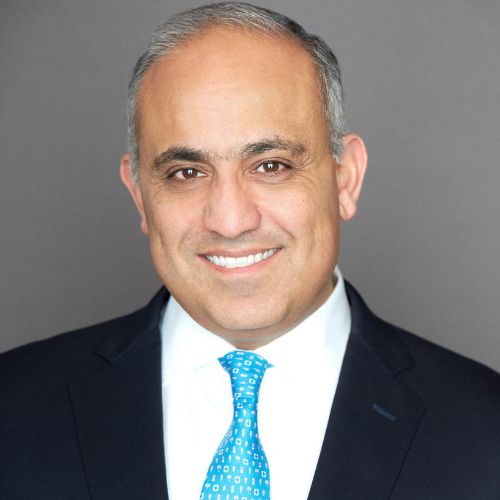
Eliasfriedman
Uploaded on Mar 25, 2025
Category
Business
Elias Friedman Wells Fargo’s approach to long-term financial success emphasizes goal setting, disciplined budgeting, strategic investing, and proactive retirement planning. By implementing these principles, individuals can build financial security, achieve their aspirations, and create a prosperous future. Whether you are just beginning your financial journey or looking to refine your approach, taking proactive steps today can lead to lasting financial success.
Category
Business
                     Elias Friedman - How to Plan for Long-Term Financial Success
                     ELIAS FRIEDMAN
ABOUT ELIAS FRIEDMAN
Elias Friedman is a highly respected
financial advisor, CFP, and stockbroker
with extensive expertise in wealth
management and investment strategies.
Known for his client-focused approach,
Elias Friedman Wells Fargo helps
individuals and businesses navigate
complex financial markets, ensuring
smart investment decisions and long-term
financial growth. His dedication to
excellence sets him apart in the industry.
HOW TO PLAN FOR LONG-TERM
FINANCIAL SUCCESS
Achieving long-term financial success
requires careful planning, disciplined
saving, and smart investing.
Elias Friedman Wells Fargo, a well-known
financial expert, emphasizes the
importance of developing a strategic
financial plan to secure a stable future.
Whether you are just starting your
financial journey or looking to refine your
approach, understanding the key principles
of wealth management can help you
achieve financial security and growth.
SETTING CLEAR FINANCIAL
GOALS
• Short-term goals: Paying off debt,
creating an emergency fund, or saving
for a vacation.
• Medium-term goals: Buying a home,
starting a business, or funding higher
education.
• Long-term goals: Retirement planning,
wealth accumulation, and legacy
building.
CREATING A BUDGET AND MANAGING EXPENSES
• Fixed expenses: Rent or mortgage, utilities, insurance, and loan payments.
• Variable expenses: Groceries, entertainment, travel, and discretionary
spending.
• Savings and investments: A percentage of income allocated towards savings
and wealth-building activities.
BUILDING AN EMERGENCY
FUND
Financial security requires preparation for
unexpected circumstances. He advises
setting aside three to six months’ worth of
living expenses in an emergency fund. This
fund acts as a financial cushion in case of job
loss, medical emergencies, or unforeseen
expenses, preventing individuals from relying
on debt during difficult times.
PLANNING FOR RETIREMENT
• Start saving early: Taking advantage of compound
interest by investing in retirement accounts as soon as
possible.
• Maximize contributions: Contributing the maximum
allowable amount to retirement plans to optimize tax
benefits and long-term growth.
• Diversify retirement income: Exploring multiple income
sources such as pensions, Social Security, real estate,
and investments.
THANK YOU
[email protected]
Comments